Facebook
Pinterest
Twitter
Linkedin
Googleplus
Feedburner
Rss
Contact
Flickr
Stumbleupon

Solar Energy Facts & Resources

Solar basics, tips, A solar glossary and just a complete background on everything solar power

What are micro-inverters

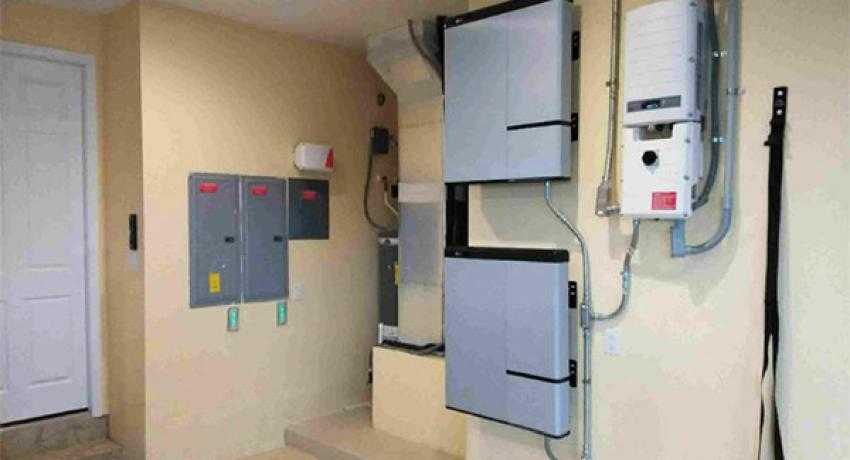
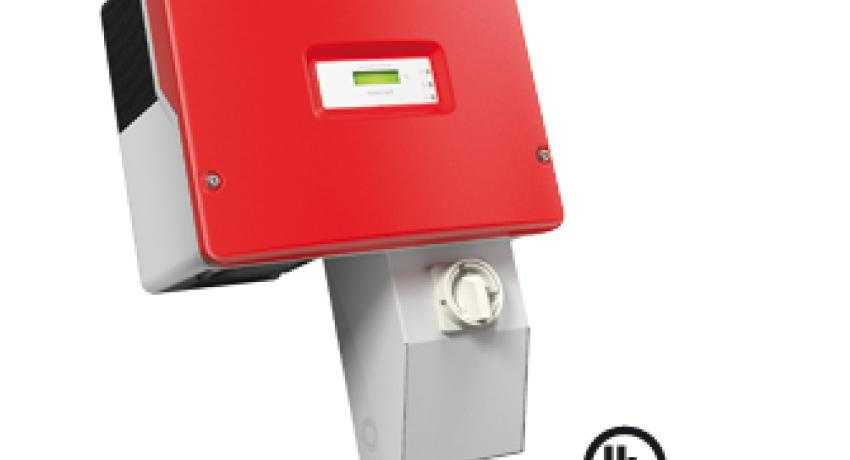
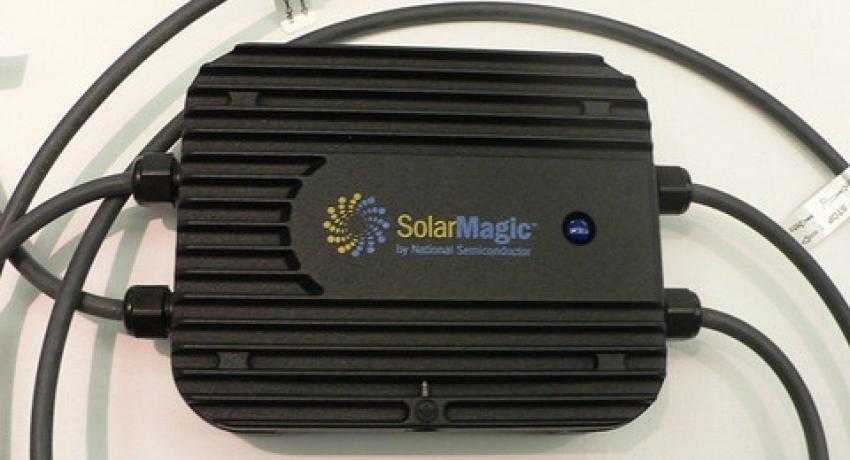
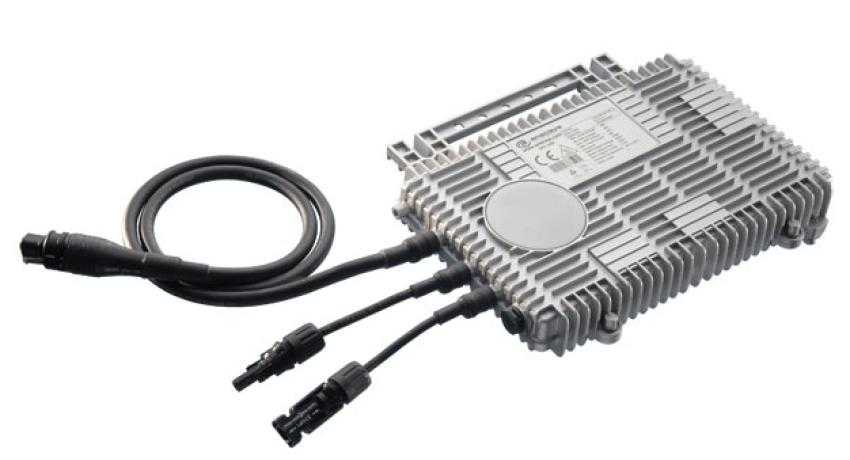
Read more...Solar micro-inverters, like their big brothers string inverters, convert the direct current (DC) electricity that solar panels produce to the alternating current (AC) energy we use to power our electronics. The difference is that they’re smaller.

Instead of converting electricity from an entire solar array or big groups of panels in a solar farm at once, micro-inverters convert DC to AC one or two panels at a time.

Advantages

Micro-inverters are known to increase solar system efficiency by 5 to 25 percent. The reason is that they are concentrated on one or two panels instead of 100, so they can fine-tune a panel’s output. If there is a problem with one of the panels attached to a string inverter, it can greatly diminish the output of the entire system, depending on the inverter and how it’s configured.

Read more...

Understanding hybrid PV/thermal systems

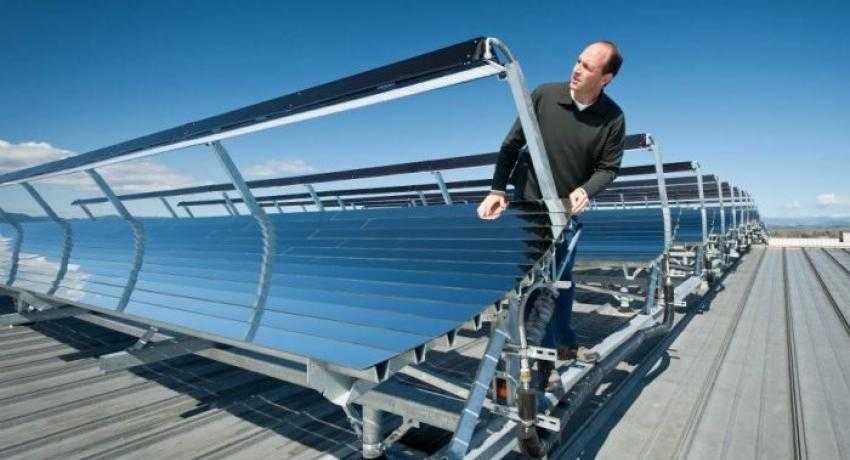
Read more...The sun’s full spectrum of light produces two types of radiation that are useful for energy production. Most solar systems take advantage of one type of radiation, but some newer systems are now taking advantage of both. That’s why there’s an increase in the number of solar hybrid systems now becoming available on the market. They generally produce electricity via photovoltaics and then also solar thermal energy that can be used in other applications, like heating—and yes cooling—a home or building, or for heating a home’s  or building’s hot water. 


In the past however, most solar systems had just been either a solar thermal system or a photovoltaic systems. The former takes advantage of the sun’s thermal or infrared energy, producing heat, which can be harnessed for solar hot water, like the solar thermal panels on rooftops—it can also be reflected and concentrated on a point. This is the type of solar used in most concentrating solar applications, like power towers and trough systems. 

Read more...

How Long Is a Standard Solar PV Warranty?

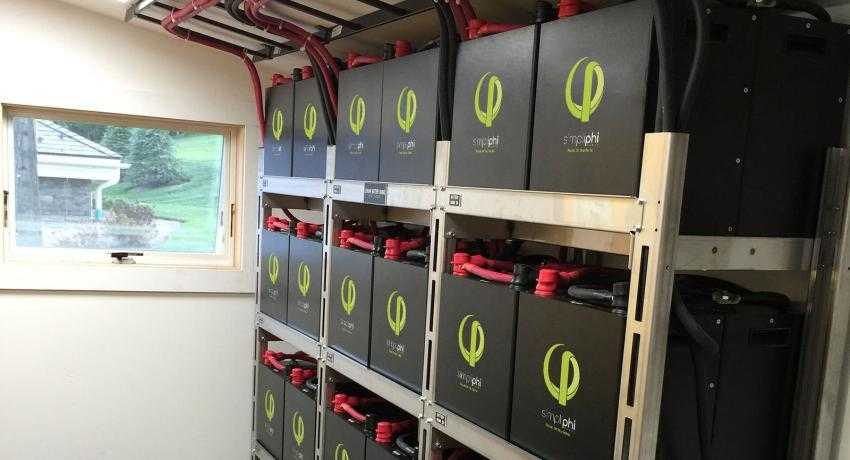
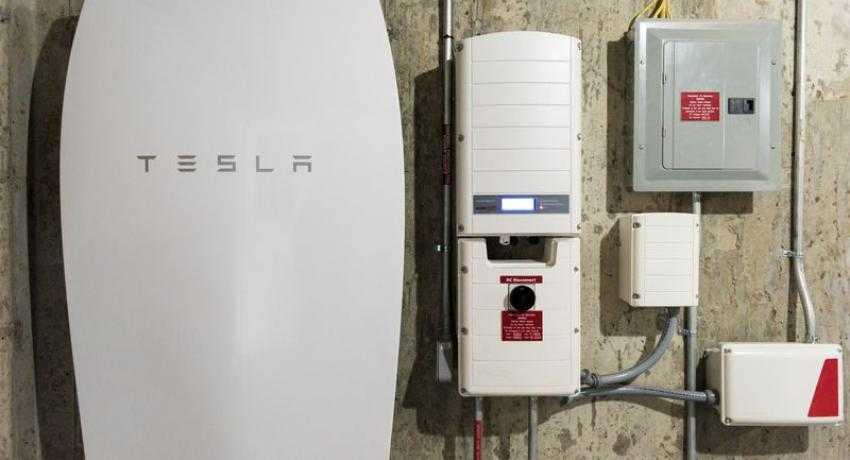
Read more...Solar installations are investments that deliver increasingly greater returns over time as grid electricity prices continue to rise while free energy from the sun remains a constant.  However, the lifetime ROI of a new installation largely depends on how long that “lifetime” actually is.  Consequently, any homeowner or business owner interested in switching over to solar must understand the actual manufacturing warranties backing whatever systems they explore.  These warranties typically cover the 3 main components of a standard PV installation – the panels, inverters, and batteries if you have them.

Most solar panels come with warranties guaranteeing 80% system performance or higher for 20 to 25 years – well beyond the warrantees typically attached to most electrical appliances, cars, and even diesel generators.  In addition, many manufacturers also segment their warranties, guaranteeing 90% system performance for the first 10 to 12 years.  It’s worth noting that the potential lifetime of a solar PV installation can be as high as 30 to 40 years, with many installations from the 1970s still producing clean energy. 

Read more...

Thin-film photovoltaics

Read more...

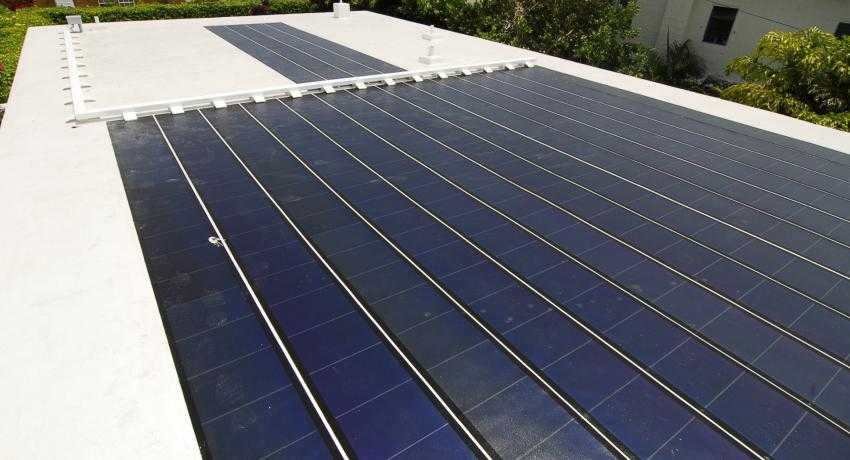
Thin-film solar photovoltaics are a class of photovoltaics that are also known as second generation photovoltaics. Thin-film photovoltaics came about as an alternative to silicon-based photovoltaics because the costs of the semiconductors used in thin-films were cheaper than silicon. However, increased production of silicon for solar and other uses has dramatically dropped its cost. That and a subsequent increase in the production of silicon-based photovoltaics have reduced the price of silicon-based photovoltaics, making it harder for thin-film photovoltaics, which are still generally less efficient than silicon photovoltaics. 

There are three main types of thin-film photovoltaics: Cadmium Telluride (CdTe): Copper Indium Gallium Selenide (CIGS); and amorphous silicon. Another type of photovoltaics using Gallium Arsenide could be considered thin-film, but are often called multi-junction photovoltaics since they use multiple layers of semiconductors to absorb more light than other PV cells. For a look at major thin-film producers as of July 2012, see the table at the bottom of the page.

Read more...

Understanding power purchase agreements

Read more...Power-purchase agreements are contracts, under which property owners (hosts) lease power-generating systems, financed by a third party, and use electricity generated by systems onsite.

PPAs are a powerful tool in the solar developer’s arsenal, a financier helps reduce the up-front costs of installing solar on a home or building. In exchange, the property owner—host—enters into a legal contract—essentially an equipment lease—with the installer or a third party (usually an investment firm, a bank, or a community) and pays a set monthly rate for the duration of the contract.

Read more...

Understanding wind-solar hybrid systems

Read more...If you’re interested in renewable energy, you’ve probably heard the term wind-solar hybrid before and wondered what that really meant. On the surface, its pretty straight forward; it’s a renewable energy system, generally small, designed to provide power for your home or small business.

But there’s a difficult side to this technology: How do you connect two or more different types of electric current, condition, and convert it into usable, stable electricity for your home or building? And why consider a hybrid system anyhow?

Read more...

Are solar panels recycled?

Read more...Solar power modules, much like electronics, contain a variety of potentially hazardous materials, and cannot be safely disposed of in landfills. Solar panels generally function for 20-25 years, so the majority of panels manufactured are still in use. However, in years to come, their disposal could become an issue. New companies like PV Recycling are therefore looking for ways to recycle or reuse these solar modules when they have reached the end of their lifespan.


The solar industry in the United States has been steadily expanding, with 320 megawatts (MW) of system equipment installed in 2008, and a predicted 2,000 MW of panel modules to be installed during 2012. This rate of growth, due in part to the cost of solar power growing more cost-efficient, will put the U.S. solar capacity ahead of industry leaders like Germany, but brings with it more disposal problems. Scrap material, failed panels, and panels broken in transport will be likely to increase as the industry expands. PV Recycling is one of the businesses that have arisen to tackle the problem of how to dispose of this equipment.

Read more...

Do-it-yourself solar generator

Read more...If you’re looking to save a few dollars each month on your electricity bill, or wish to take on a project that will help the environment, you should consider constructing your own solar power generator. These generators are fairly inexpensive, about $200-$300, and you can easily find all of these parts from electronics and RV/boat supply stores, or on the Internet.

Read more...

How affordable is solar thermal equipment?

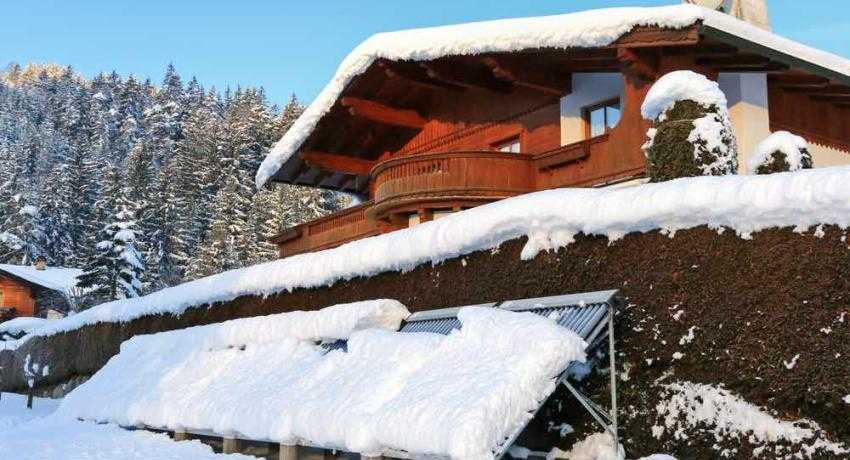
Read more...Solar thermal energy is an environmentally-friendly way to provide heat for your home. Solar thermal systems can use either collection tanks that reflect solar energy into water storage tanks that provide hot tap water, or “solar walls” that warm external building surfaces, and circulate air near those surfaces to heat interior rooms.

While these systems are capable of reducing electrical and gas use substantially, many people do not consider them to be viable options for clean household energy because of their cost. The cost of a complete solar thermal system with two panels usually falls between $8,000 and $10,000. This may seem like a steep price, but if you are going to be living in your home for several years, it may be the cheapest long-term heating solution.

Read more...

Four reasons to go solar now

Read more...Now more than ever is the best time to install solar power on your home or building. As photovoltaic (PV) and solar thermal technologies continue to grow, the costs associated with installing solar systems continue to drop. At the same time, the prices on your energy bill continue to go up because the prices on coal and natural-gas supplied power continue to increase. There are many other reasons to install solar now, here are just a few:

Read more...